
Lajpat Nagar at 75: From Partition Refugee Colony to South Delhi’s Commercial Heart
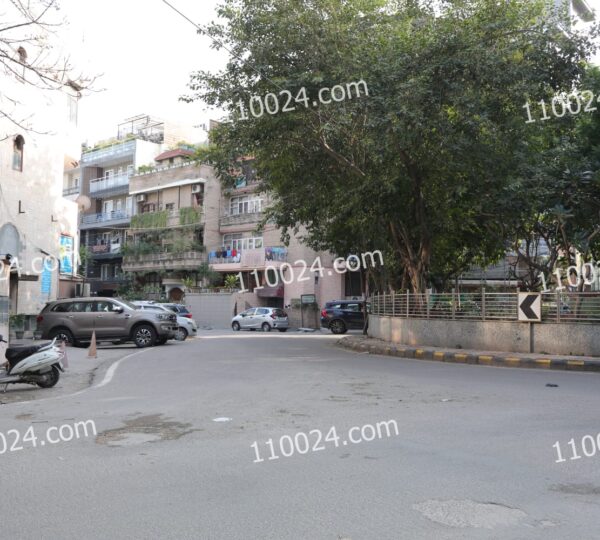
Built in 1951 on Zamrudpur village land for Partition refugees, named after Lala Lajpat Rai, how 100 sq yd barracks became one of South Delhi’s most expensive postcodes.
Walk through Lajpat Nagar today, past the Central Market crowds, the Defence Colony flyover eateries, the metro interchange, and it is hard to believe this was farmland seventy-five years ago. Established in 1951 as a refugee rehabilitation colony, Lajpat Nagar was built for Hindus and Sikhs who arrived from newly formed Pakistan and had been living in camps at Purana Qila. The government acquired agricultural land, including that of Zamrudpur village, and laid out plots of 100 and 125 sq yards (with bigger plots in Lajpat Nagar III) as single-storey barrack-like houses with asbestos roofs. The colony was named after Lala Lajpat Rai, the freedom fighter, one of several post-Partition settlements, alongside Patel Nagar and Rajinder Nagar, named after heroes of the national movement.
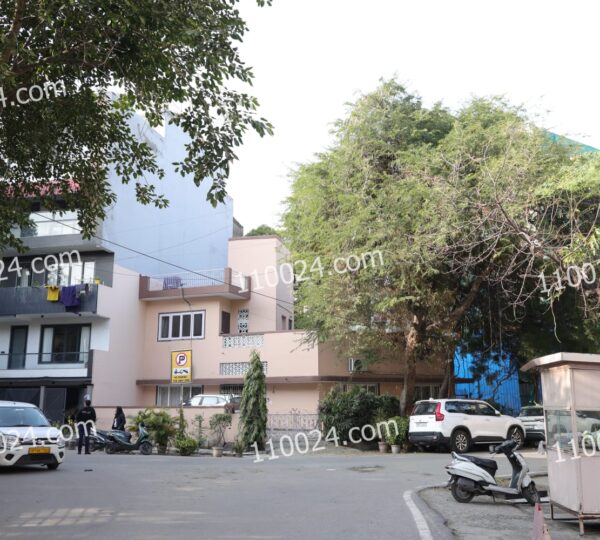
The refugee decades
The original allottees were largely Saraiki and Sindhi families, and their descendants still form a large part of the population. One pocket of Lajpat Nagar IV, Dayanand Colony, was named after Maharishi Dayanand Saraswati in 1957. In the early 1960s residents began renovating, and by the mid-1970s owners were adding rooms and floors to let out on rent. Lajpat Nagar kept absorbing new waves of the displaced: Afghan refugees after 1979, Kashmiri families in recent decades, each layer adding to the colony’s famously mixed,商贸 character that estate agents now politely call “cosmopolitan”.
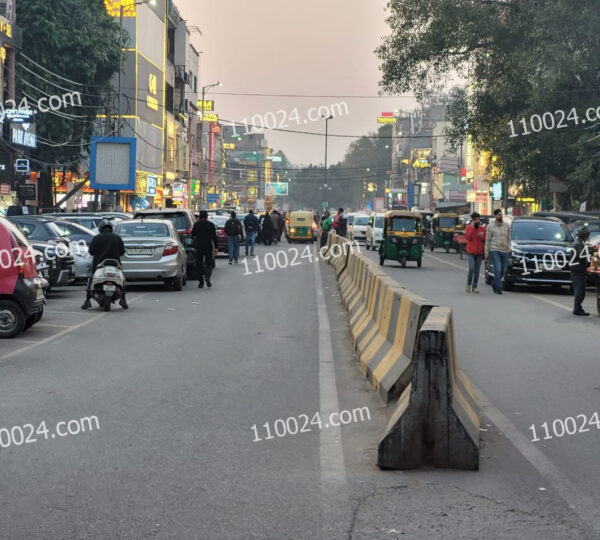
1974: the year everything changed
Ask any old resident when Lajpat Nagar turned a corner and you will hear one answer: 1974, when Nehru Place came up as a commercial district centre. Thousands of office workers needed homes nearby, rental income transformed residents’ finances, and owners began expanding, first a room, then entire floors. Two to three bedrooms that fetched Rs 1,200–1,500 a month then were serious money. The 1980s brought the builder era: owners handed plots to builders who constructed three floors plus a basement, keeping the ground floor plus Rs 10–12 lakh while the builder sold the rest. That collaboration model is the direct ancestor of today’s builder-floor market.
Defence Colony: the planned neighbour
Right next door, Defence Colony tells a different origin story. Appearing on the map by 1956, it was developed for defence and army personnel who had opted for India, wide roads, plotted discipline, and an orderliness that Lajpat Nagar’s organic growth never had. That planned DNA is exactly why it commands Category B circle rates and ultra-premium resale values today, while Lajpat Nagar’s mixed-use energy makes it South Delhi’s great commercial-residential hybrid.
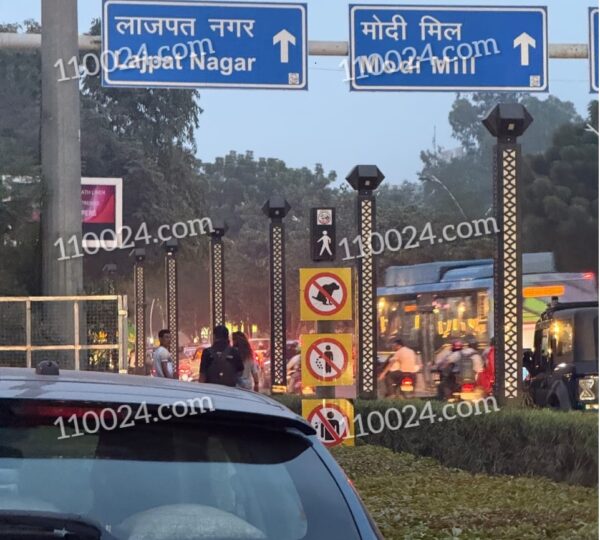
Connectivity that compounds value
- Lajpat Nagar metro station: interchange of the Violet Line (opened 2010) and Pink Line, plus Lajpat Nagar railway station on the suburban line
- Ring Road and the Defence Colony–Lajpat Nagar flyover with the 2014 Jangpura underpass link
- Central Market, one of South Delhi’s oldest organised retail hubs, plus the 3C’s mall and Amar Colony market belt
- Nehru Place, Moolchand and Kailash Colony within minutes, keeping rental demand permanently deep
“Colonies with a story hold value differently. Lajpat Nagar’s story, refuge, enterprise, reinvention, is priced into every square yard.”
What this history means for buyers today
Three practical takeaways. First, title chains here run 70+ years deep, verify the full chain from the original allotment, including any collaboration agreements from the 1980s builder wave. Second, construction quality varies enormously by era: a 1980s builder floor and a post-2022 stilt-plus-four rebuild are different assets wearing the same address. Third, mixed land use is the norm, not the exception, a “residential” lane may legitimately host professional offices, which supports both values and rents. We have handled paperwork in these blocks for three generations; if you are buying into this history, bring someone who has read its documents before.
Buying or selling in 110024?
Get hyperlocal advice on pricing, paperwork and negotiation, free, no obligation.
Talk to an Expert